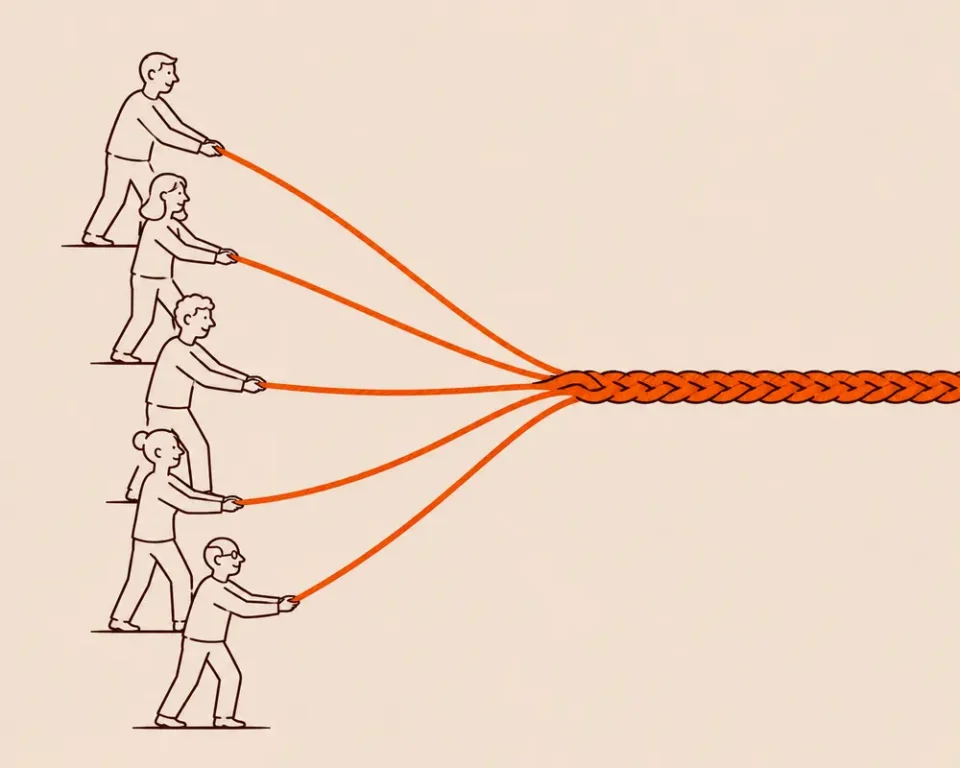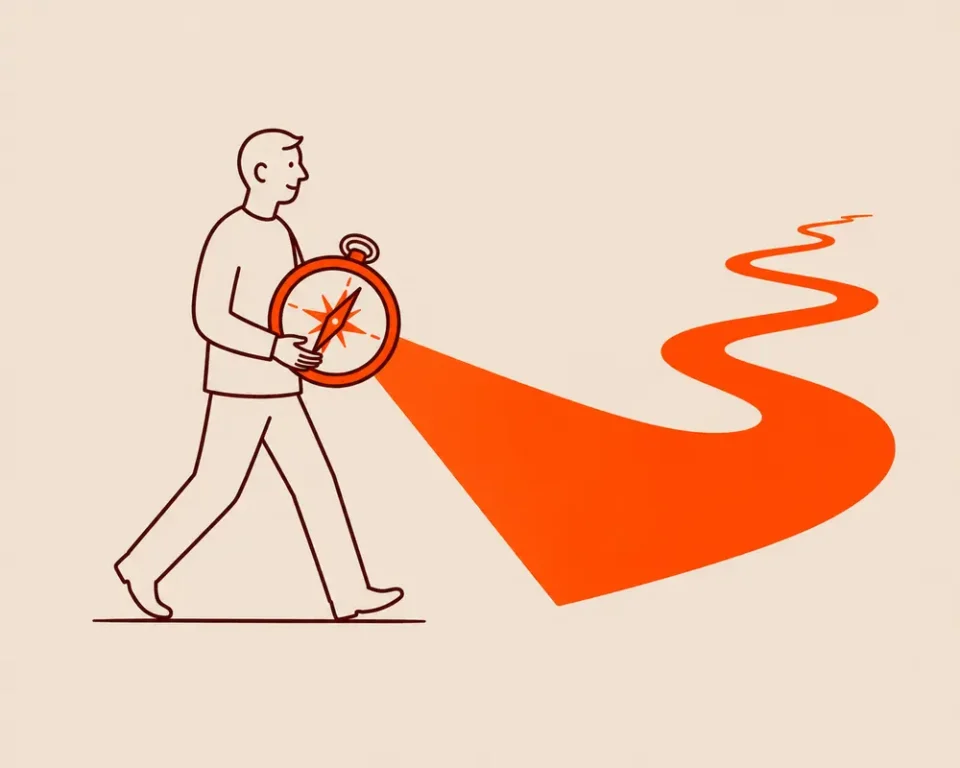

Being the founder’s son or daughter will get you a job, a title and a place at the table. It will not get you followed. That is the discovery which catches most next-generation leaders out, usually somewhere in the second year.
The name opens the door. What happens after that is governed by the same thing as in any other business: whether the people around you believe you know what you are doing, and whether they believe you have earned the right to decide.
The name gets you the room. It does not get you the room’s attention.
The credibility gap
The gap is real, and it is unfair in both directions. A next-generation leader is frequently better educated than anyone else in the business, can see plainly what needs modernising, and is listened to politely and then ignored. Meanwhile a long-serving manager who has carried the home through three inspections and a pandemic watches someone arrive with a plan and no scars.
Both positions are defensible, which is exactly why this stalls. The successor concludes the team is resistant. The team concludes the successor has not done the work. Both are describing the same missing thing: evidence.
How credibility is actually built
Not through a title, and not through a strategy. Through visible competence at something the business values, where the result is unambiguous and attributable to you. Take a real problem — one with a number attached that people care about — and fix it properly. Occupancy. Staff turnover in one home. The enquiry process. An inspection outcome. One finished thing earns more standing than three years of good ideas.
The other half is doing the unglamorous work long enough that people can see you take it seriously. Not a token fortnight on shift, but enough time, properly, that the staff know you understand what you are asking of them. Successors who skip this remain forever slightly outside the business they are meant to lead.
Authority is given. Credibility is earned — and only the second one makes people follow you.
And a word to the founder: the credibility gap is not closed by announcing a successor. It is closed by giving them something real to own, and then letting them own it — including the parts they will do differently from you. Inheriting the shares takes an afternoon. Inheriting the business takes considerably longer, and it cannot be done on anyone else’s behalf.