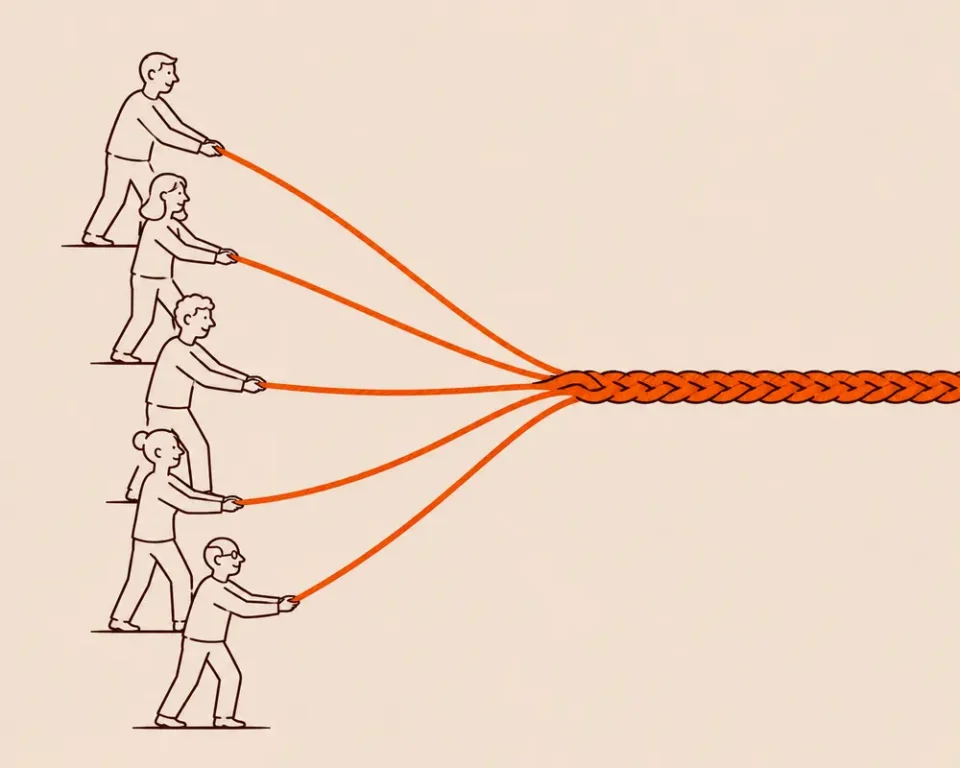
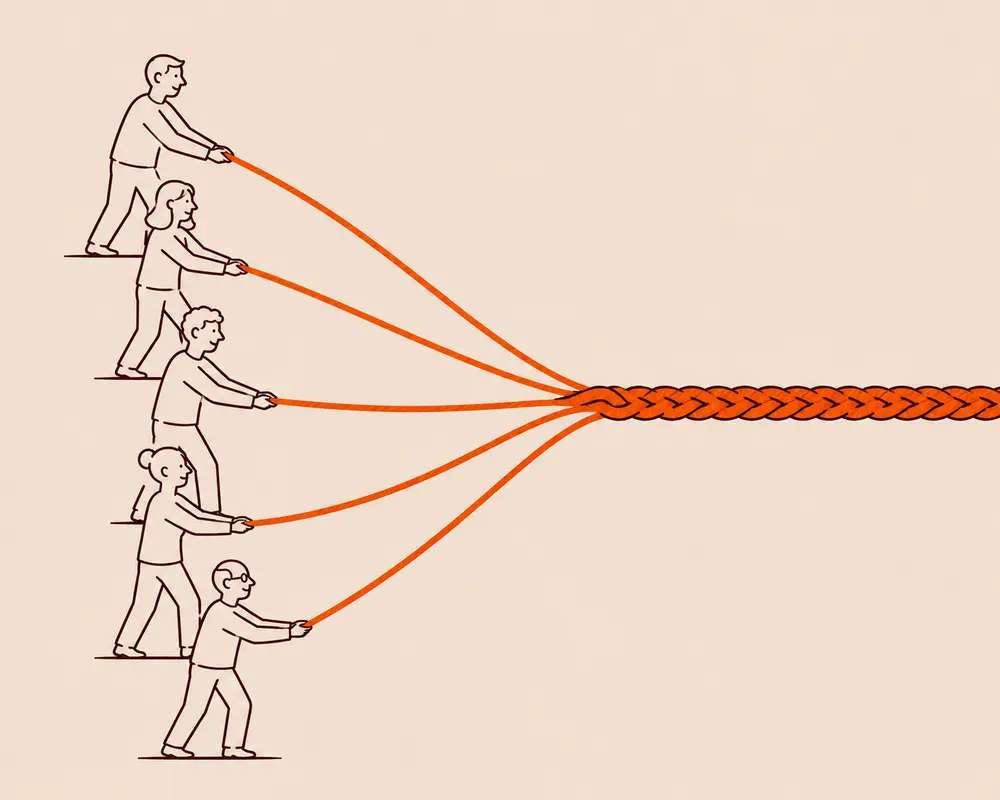
Culture in care homes is the personality of the business — “the way we do things around here”. It is the first thing a family senses on a visit and the hardest thing to put in a brochure. It is also, very often, subconscious: deeply ingrained, rarely written down, and not necessarily the culture the organisation believes it has.
The gap is nobody’s fault, and not the mark of a badly run home. A new care worker sees past the values in the induction pack within a fortnight. What they learn from instead is what the Registered Manager actually prioritises, who gets listened to, and which practices survive on nothing more than having always been done that way. Culture is everywhere, and it shows up in the stories people tell:
“We’ve got a good culture here.” Very likely. The question is whether anyone has checked what it is.
Culture decides the quality of care
A healthy culture is not a soft benefit. It raises job satisfaction, lowers turnover and makes a home easier to recruit into, and where it is aligned to the business strategy it markedly improves execution. What matters most, though, is the care itself: whether a carer notices a small change in a resident’s needs, whether everyone feels able to raise a concern, and whether people are treated with dignity when nobody is watching.
The test is specific rather than philosophical. If a home believes it is person-centred, but residents and care workers are never given enough time to clean their teeth after breakfast, everybody working there has already learned something — that the routines of the service outrank the wishes of the residents. No values statement survives that.
Culture develops whether you manage it or not
Owners and managers influence it constantly, usually without intending to. Which behaviours are rewarded? Which are tolerated, and which are quietly discouraged? Can a high performer — the person who always turns up on time, reads the notes and gives consistent care — get away with treating colleagues badly? Is challenge welcomed, or are decisions always taken by the same few people? Even the position of the manager’s office works as a symbol of authority nobody chose.
The encouraging part is that culture is not fixed. It can be shifted deliberately, and without losing what makes the home worth choosing. What cannot be skipped is the first step. Set about changing a culture you have not examined and you will spend your time arguing with symptoms.
You cannot change a culture you have not taken the trouble to understand.
That understanding is rarely flattering, and almost never a surprise to the staff. It takes a fortnight of asking the right questions — of carers, of families, of the people who chose to leave — and it is among the cheapest pieces of work a growing care business can do. It is where we tend to start.