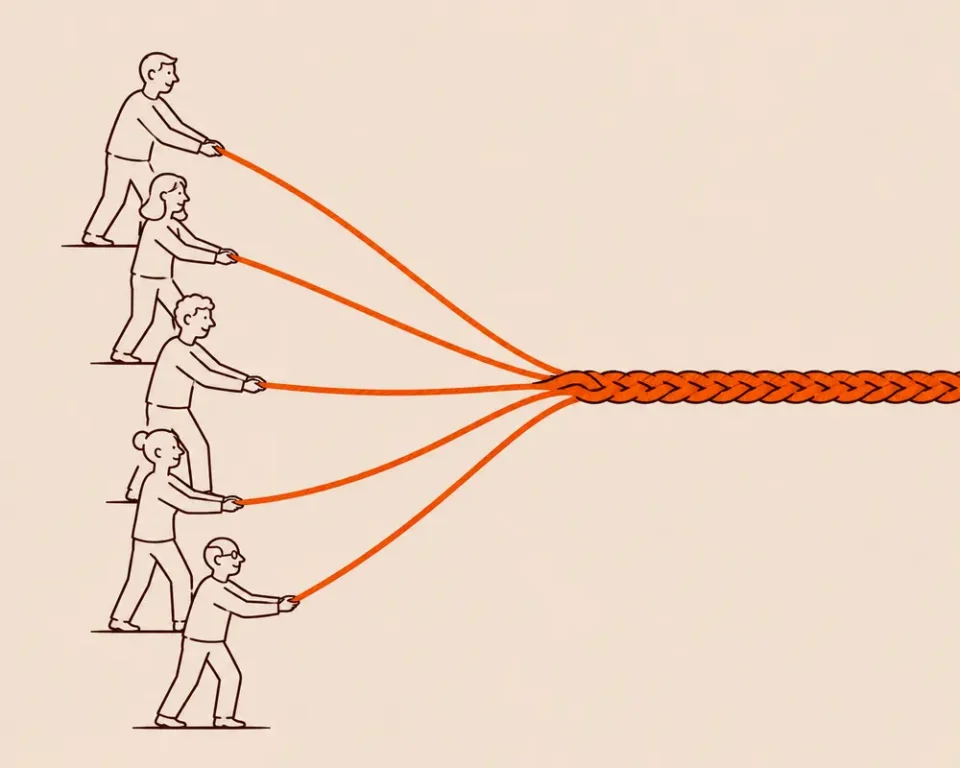
Keeping up with social care policy is close to a full-time job, and almost nobody running a care business has the hours. The result is a familiar cycle: long stretches of ignoring it, punctuated by a burst of alarm when a headline suggests something significant is coming.
There is a more sustainable position available, and it does not involve reading more. It involves being clear about which parts of the policy landscape can actually move your business, and ignoring the rest with a clear conscience.
Most policy news is not information. It is weather.
The few things that genuinely matter
For a family-owned provider, policy reaches the business through a small number of channels: what you are paid and by whom, what you are obliged to pay your staff, what the regulator expects and how it inspects, and what the state is willing to fund at all. Nearly everything consequential arrives through one of those four doors.
Everything else — structural proposals, commissions, green papers, conference speeches, sector commentary — is worth knowing about and rarely worth acting on. It describes a possible direction. It does not change next month’s payroll.
A way of staying current without drowning
Watch the four channels rather than the news cycle. Know your fee mix, and your exposure if local-authority rates lag inflation again. Treat statutory wage announcements as a budgeting input, because that is what they are. Read what the regulator publishes about its own approach, rather than what others say about it. And keep a rough sense of the direction of national funding, so a settlement never arrives as a surprise.
Then set a rhythm instead of a reflex: an hour a month, and a deliberate look at what has shifted before you set a budget or make a commitment of any size. That is enough to be genuinely well-informed, and it is sustainable in a way that anxious monitoring is not.
You do not need to follow the policy debate. You need to know which four numbers it could change.
The providers who handle policy well are not better-read than their peers. They simply know which things would genuinely hurt them, hold a number against each, and look at them often enough to see a change coming. Everything else can be read with interest and no urgency.